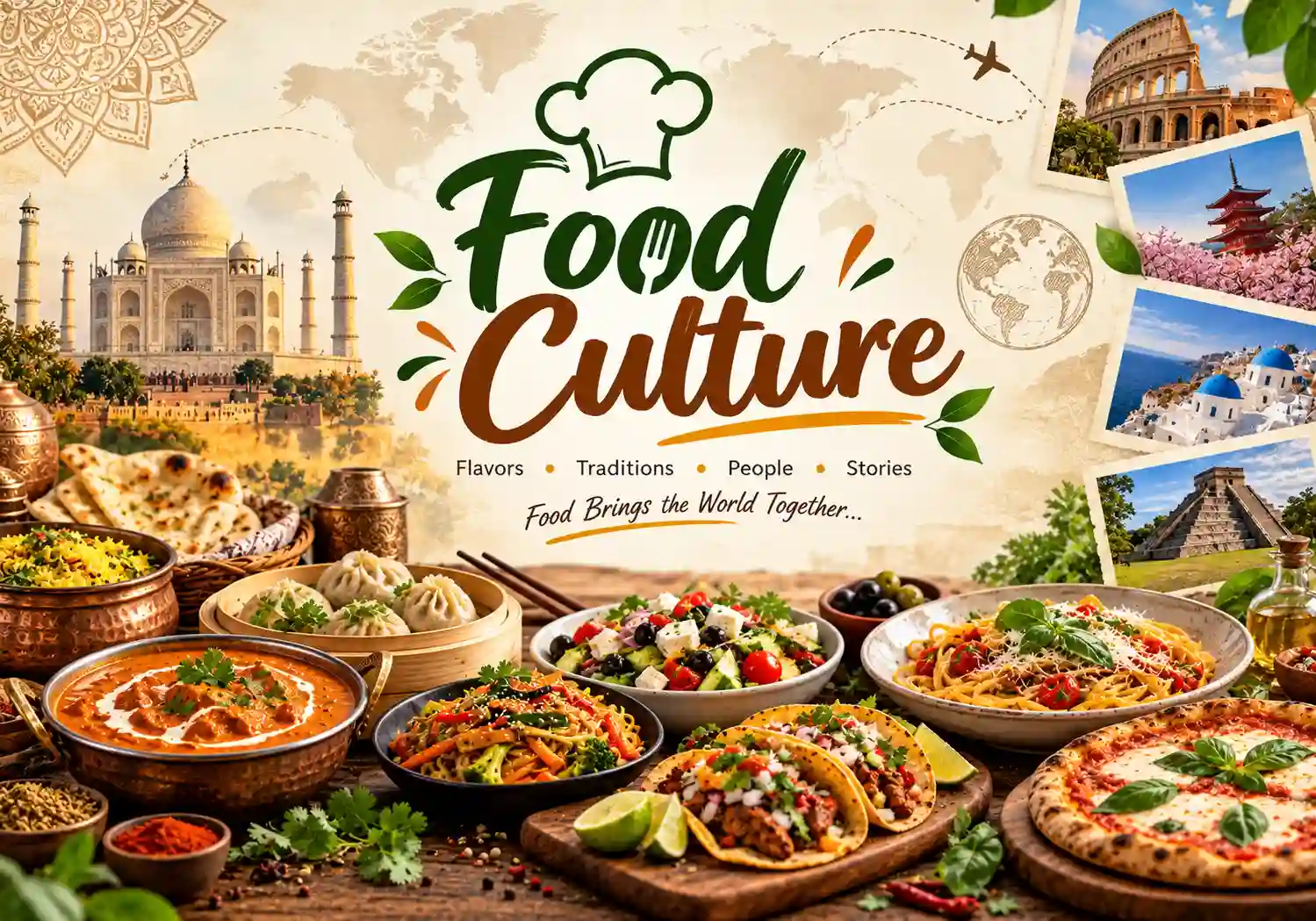
It is not merely the means by which hunger gets fulfilled; it is about our culture, heritage, history and lifestyle. Every recipe tells a tale, from the recipes of our ancestors that have come down to us via oral history to street recipes available in bustling markets.
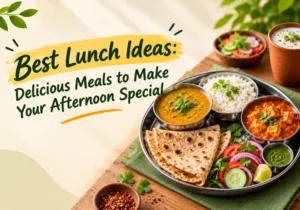
Food culture unites people, it celebrates diversity, and it helps us understand the traditions of various groups. Whether it is an authentic Indian Thali or a delicious street recipe of a new city, or any homemade recipe with our family, food leaves behind long-lasting memories.
In Foodstory, we strongly believe that each flavor has a story to tell, and each meal is a chance to explore something new.
1. What Is Food Culture?
Food culture is defined as the practices and traditions involved in preparation of food and eating as well as the ingredients used for the food preparation.
It includes the way of preparing the meals, the ingredients used in food preparations, the events when certain foods are served, and the practices followed while consuming the meals.
For instance, many Indian families make special meals during festivals, while many families from different parts of the world consume traditional meals during important events.
The factors that influence food culture include geographical location, climate, religion, history, farming, and interaction with other cultures. That is why different areas have different cuisines.
2. The Rich Diversity of Indian Food Culture
India has a reputation for being extremely diverse when it comes to food. Each area has unique foods along with different ways of preparing those foods.
Here we will learn about some of the flavors that India is famous for.
North Indian Cuisine
The cuisine of North India is well-known for its flavorful gravies, breads, spices, and complete meals.
Some of the popular food items that people love eating are butter chicken, chole bhature, rajma chawal, dal makhani, paneer tikka, and stuffed parathas.
The foods made from wheat flour like roti, naan, and paratha are quite popular throughout the region.
South Indian Cuisine
The south Indian diet includes rice, lentils, coconut, curry leaves, and spices.
Examples include dishes like dosa, idli, sambar, uttapam, and appam.
While each state in the south of India has its own identity when it comes to food, one of the common foods includes coconut-based recipes from the state of Kerala or rice-based dishes from other states of South India.
Western Indian Cuisine
Western India provides an excellent combination of sweet, savory, spicy, and sour tastes.
Gujarat food includes dishes like dhokla, thepla, and undhiyu. The specialty of Maharashtra includes vada pav, pav bhaji, and misal pav, whereas that of Rajasthan includes dishes like dal baati churma.
These dishes reflect local ingredients, regional histories, and the creativity of generations of cooks.
Eastern Indian Cuisine
Eastern India possesses a unique cuisine that comprises of rice, fish, vegetables, sweets, and local spices.
The cuisine of Bengal includes dishes like Macher Jhol, Shorshe Ilish, and Mishti Doi. Other eastern states have unique culinary dishes and sweets of their own.
Food of Eastern India shows how a cuisine can be defined by its local produce and cooking methods.
3. Street Food: The Heart of Local Food Culture
One of the most interesting ways to get acquainted with the taste of the local cuisine is to try street food. The street food vendors often offer dishes which can be called the heritage of generations of local cooking.
Among the Indian street foods there are such dishes like pani puri, samosa, momos, pav bhaji, kathi rolls, and chaat.
Each region of the country has its own modifications of the snacks giving rise to the variety of tastes, textures, and spices.
Street food is also the part of social life since people can meet up with friends to try some chaat or families spend evenings eating snacks.
While choosing street food to try it is better to find the vendors who provide the hygienic and freshly cooked food.
4. How Festivals Shape Food Traditions
Foods have a very important place in any celebration all over the world. People come together as one family for festivals using foods and special ingredients.
In India, different festivals are associated with distinctive foods.
- Diwali: Sweets such as ladoos, barfi, and kaju katli are popular during celebrations.
- Holi: Gujiya and other festive treats are enjoyed with family and friends.
- Eid: Biryani, seviyan, and other regional delicacies feature in many celebrations.
- Pongal: The traditional Pongal dish is prepared during the harvest festival.
- Onam: The Onam sadya features an elaborate selection of dishes served on a banana leaf.
These food traditions carry cultural meaning and help preserve memories, customs, and a sense of belonging across generations.
5. The Influence of Global Food Culture
Food culture still develops in modern days as people learn about the cuisine of other nations around the world.
Italian pizzas, Japanese sushi, Mexican tacos, Chinese noodles, and hummus from the Middle East are now well-known all over the world.
It has become very easy due to restaurants, trips, Internet, food blogs, etc., to try foreign dishes and cooking.
However, local cooks may change their recipes according to the local products. In that way, interesting variations appear and traditional cuisines do not lose their popularity.
It can be said that learning the cuisine of other nations is a fascinating activity.
6. The Importance of Family Recipes and Homemade Food
Our most vivid food memories come from the home front. The scent of freshly cooked food, a family recipe, or some food made on a special occasion helps us link with our past and ancestry.
A family recipe usually gets transmitted between different generations by observation and experience.
Family recipes need not have measurements stated in them, but rather, the recipes survive in the form of skills and experience.
Preparing family recipes at home is one way to retain those memories and at the same time introduce them to the future generations.
7. How to Explore and Appreciate Food Culture
You don’t need to travel far to discover something new about food. There are many ways to explore culinary traditions in your everyday life.
- Try regional dishes: Explore cuisines from different Indian states and communities.
- Learn traditional recipes: Ask family members about the history behind their favourite dishes.
- Visit local food markets: Discover seasonal ingredients and regional specialities.
- Explore international cuisines: Try preparing a dish from another country at home.
- Respect food traditions: Learn about the cultural significance of traditional meals.
- Reduce food waste: Plan meals carefully and use ingredients thoughtfully.
- Share your food experiences: Tell others about the dishes, recipes, and flavours you discover.
Every new dish can teach you something about the place, people, and traditions connected to it.
Conclusion
Food culture is such an aesthetic aspect of human history, culture, and society. Whether Indian regional cuisine, street food from all around the country, home-cooked recipes, and international specialties, food stories always have an interesting story to be told.
Studying food culture allows us to learn about different cultures and traditions and discover new flavors.
At Foodstory, we cherish not only delicious food but also people, traditions, and memories connected with food.
Experience unique flavors and learn about culinary traditions by visiting Foodstory!