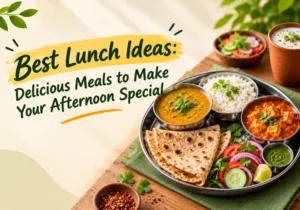
Indian food is not only food but also a blend of flavors, traditions, spices, and culture. Right from mouth-watering curries of the northern regions of India to the tasteful dosas of south India, each region of India has its own specialty. The Indian food is renowned all across the globe for its variety of colors, tastes, and flavors.
Irrespective of whether one likes spicy street food, home cooked food, or even sweets, there is always something in Indian food that appeals to everybody. Let us delve into the fascinating realm of Indian cuisine.
What Makes Indian Food So Special?
The use of spices, fresh and unique ingredients, and the traditional method of cooking have made Indian cuisine famous for its distinctiveness. The ingredients like turmeric, cumin, coriander, cardamom, ginger, garlic, and chilli contribute towards making the food taste special.
But what actually makes the Indian cuisine outstanding is its diversity. The recipes keep varying from state to state and at times even from one house to another. They are either rich and creamy, light and tangy, crispy or hot.
Indian cuisine has also been influenced by its history, geography, festivals, and family traditions. There is an interesting story behind every food recipe, and thus, eating Indian cuisine means experiencing some part of its culture.
Popular Types of Indian Cuisine
1. North Indian Cuisine
The cuisine of North India is famous for its thick gravies, spicy dishes, tandoori foods, and mouth-watering breads. Some common dishes are made from paneer, lentils, yoghurt, tomatoes, and butter.
Popular North Indian dishes include:
- Butter Chicken
- Paneer Tikka
- Chole Bhature
- Dal Makhani
- Aloo Paratha
- Rajma Chawal
- Naan and Tandoori Roti
These dishes will be suitable for those people who love to have some warm and tasty food. The delicious dishes such as rajma chawal and curry with naan can be prepared in North Indian cuisine.
2. South Indian Cuisine
The South Indian cuisine specializes in rice preparations, lentil dishes, coconut, curry leaves, and sour foods. The most authentic food preparations are prepared and served on banana leaves.
Some popular South Indian dishes are:
- Masala Dosa
- Idli and Sambar
- Medu Vada
- Uttapam
- Lemon Rice
- Appam with Vegetable Stew
- Hyderabadi Biryani
Dosa and idli are popular breakfast choices, while sambar and a variety of rice dishes are enjoyed throughout the day. South Indian cuisine offers a wonderful balance of textures, aromas, and flavours.
3. West Indian Cuisine
India’s Western region boasts of a rich culinary tradition that varies from one state to another. The culinary tradition of Gujarat is renowned for the wide range of vegetarian dishes and the taste combination of sweet and sour flavors. The specialty of Maharashtra is street foods, while Goa is known for its coastal cuisine.
Popular dishes from Western India include:
- Dhokla
- Thepla
- Vada Pav
- Pav Bhaji
- Misal Pav
- Goan Fish Curry
- Puran Poli
No matter whether your choice is the vada pav, the dhokla, or a spicy coastal dish, the Western Indian cuisine provides you with a wonderful combination of flavors.
4. East Indian Cuisine
Eastern India is famous for its dishes made from rice, fish preparations, use of mustard flavoring, and tasty sweets. Each region including Bengal, Orissa, Assam, and others has its unique food habits.
Some well-known dishes include:
- Bengali Fish Curry
- Litti Chokha from Bihar
- Assamese Masor Tenga
- Odisha Dalma
- Rasgulla
- Sandesh
- Pakhala Bhata
Eastern Indian cuisine combines simple ingredients with distinctive flavours. Its traditional sweets are especially popular among dessert lovers.
Eastern Indian cuisine combines simple ingredients with distinctive flavours. Its traditional sweets are especially popular among dessert lovers.
The Magic of Indian Spices
Spices are an essential part of Indian cooking. They add colour, aroma, depth, and character to everyday meals.
Here are some commonly used Indian spices and their culinary roles:
- Turmeric: Adds a golden colour and earthy flavour.
- Cumin: Provides a warm, nutty aroma.
- Coriander: Adds a fresh, citrus-like flavour.
- Cardamom: Brings a sweet, fragrant note to desserts and savoury dishes.
- Garam Masala: Adds warmth and complexity to many curries.
- Mustard Seeds: Provide a distinctive flavour, especially in regional tempering techniques.
- Red Chilli: Adds heat and colour, depending on the variety.
However, the key is not necessarily to add more spices, but to combine them in the correct ratios. Methods such as roasting and tempering the spices in hot oil make a big difference to the end result.
Indian Street Food: A Celebration of Flavour
Street food plays a significant role in India’s food culture. Street food in cities to smaller roadside stalls serves the purpose of bringing people together in terms of affordable, tasty, and exciting bites.
Some favourites include:
- Pani Puri: Crispy puris filled with tangy, spicy water and delicious fillings.
- Samosa: A golden, crispy pastry commonly filled with spiced potatoes and peas.
- Pav Bhaji: A spicy vegetable preparation served with buttered bread rolls.
- Aloo Tikki: A crispy potato patty served with chutneys and spices.
- Momos: Dumplings served with flavourful dipping sauces.
- Kachori: A crisp snack filled with spiced ingredients.
There are always foods that are unique to each city. It is great to experience the local flavors from the food market, but one should select those who maintain good practices in handling the food.
Traditional Indian Food and Festivals
Food has a significant place in Indian festivals, celebrations, and even family get-togethers. There are several delicacies which are prepared during various religious festivals, marriages, harvests and other celebrations.
During Diwali, people prepare or distribute sweets such as laddoos, barfi, chakli, and namak pare. During Eid, people consume food items such as biryani, kebabs, and sheer khurma. Pongal is celebrated by making a dish known as pongal. Onam, on the other hand, is marked by making a meal called Onam Sadya in Kerala.
Food has always been more about symbolism than flavor. It stands for hospitality, family bonding, thankfulness and happiness at sharing food with close ones.
The Importance of Homemade Indian Food
Indian food that is homemade has a unique place for many people. Whether it be freshly made rotis, slowly cooked dals, or seasonal vegetable curries, food made at home is always a reflection of the age-old recipes inherited through generations.
Making food at home also gives you the freedom to use your own choice of ingredients and spices and even try out cooking techniques. Simple food items like dal, rice, sabzi, and rotis can be quite fulfilling.
One can make ordinary Indian dishes taste unique by trying a regional dish recipe, seasonal vegetables, or making chutneys to go with your food.
Indian Sweets: A Delicious Ending to Every Meal
No exploration of Indian food is complete without its famous sweets. Indian desserts come in many forms, including milk-based sweets, syrup-soaked treats, fried pastries, and regional delicacies.
Popular Indian sweets include:
- Gulab Jamun
- Jalebi
- Kheer
- Gajar Ka Halwa
- Rasmalai
- Modak
- Mysore Pak
- Kulfi
Some confections have a strong association with specific festivals or areas, whereas others are eaten at all times during the year. Their taste, texture, and mode of preparation make them an integral part of India’s cuisine.
Tips for Exploring Indian Cuisine
If you want to discover more of India’s food culture, here are a few simple ideas:
- Try regional dishes: Explore food from different states instead of sticking to familiar favourites.
- Learn about spices: Understanding basic spices can help you appreciate how Indian dishes develop their flavours.
- Experiment at home: Start with simple recipes such as poha, dal tadka, vegetable pulao, or aloo paratha.
- Explore seasonal ingredients: Fresh, locally available ingredients can bring variety to everyday cooking.
- Taste local specialities: When travelling, explore regional dishes and traditional food markets.
- Discover family recipes: Ask relatives or friends about traditional recipes and the stories behind them.
- Balance your meals: Combine vegetables, grains, pulses, and other protein sources according to your preferences and dietary needs.
Conclusion
India food is such an exciting exploration of flavors and traditions. It is the rich curry in the north, the rice-based foods in the south, the delicious street foods in western India, or even the sweets of the east.
Food brings people together and keeps alive the cultural traditions through meals. Whether you are tasting Indian foods for the first time or trying out that one dish that you’ve loved all your life, there is always something new to learn.
We believe that every food item has its own story to be told. Keep enjoying food and the stories it carries with it.